November 10, 2026
A healthy, properly aligned smile involves more than straight teeth. The relationship between your upper and lower teeth affects how comfortably you bite, chew, and speak. When teeth or jaws are misaligned, everyday activities can become uncomfortable.
At Winning Smiles Orthodontics, we understand that every smile presents unique challenges. Our goal is to help patients understand their treatment options and make informed decisions about their oral health. Modern orthodontic services offer personalized solutions for everything from minor crowding to complex bite problems.
Understanding Common Dental Bite Issues
Identifying Different Types of Misalignment
Dental bite problems, also called malocclusions, occur when the teeth or jaws do not align properly. Common examples include overbites, underbites, crossbites, open bites, and overcrowding.
An overbite occurs when the upper front teeth overlap the lower teeth excessively. An underbite develops when the lower front teeth extend beyond the upper teeth. Crossbites involve upper teeth fitting inside lower teeth, while open bites prevent certain teeth from making contact.
Each condition requires evaluation because its severity and underlying causes influence treatment.
Recognizing Causes and Warning Signs
Genetics can influence jaw development, tooth positioning, and the likelihood of developing bite problems. Childhood habits, premature tooth loss, and differences in jaw growth may contribute to misalignment.
Warning signs include difficulty chewing, uneven tooth wear, crowded teeth, and discomfort when biting. Some patients experience speech difficulties or notice that their teeth do not fit together comfortably.
Professional orthodontic services help identify these concerns and determine whether corrective treatment would be beneficial.
Understanding Long-Term Oral Health Effects
Untreated bite problems can contribute to uneven tooth wear and make certain areas more difficult to clean. Misalignment may also interfere with comfortable chewing.
However, not every bite irregularity causes complications or requires extensive treatment. A professional examination helps distinguish cosmetic concerns from functional problems.
At Winning Smiles Orthodontics, we emphasize individualized evaluations rather than assuming every patient needs the same corrective approach.
Exploring Modern Orthodontic Treatment Options
Comparing Traditional Braces and Clear Aligners
Traditional metal braces remain a dependable treatment option for many alignment concerns. Brackets and wires apply controlled pressure to gradually reposition teeth.
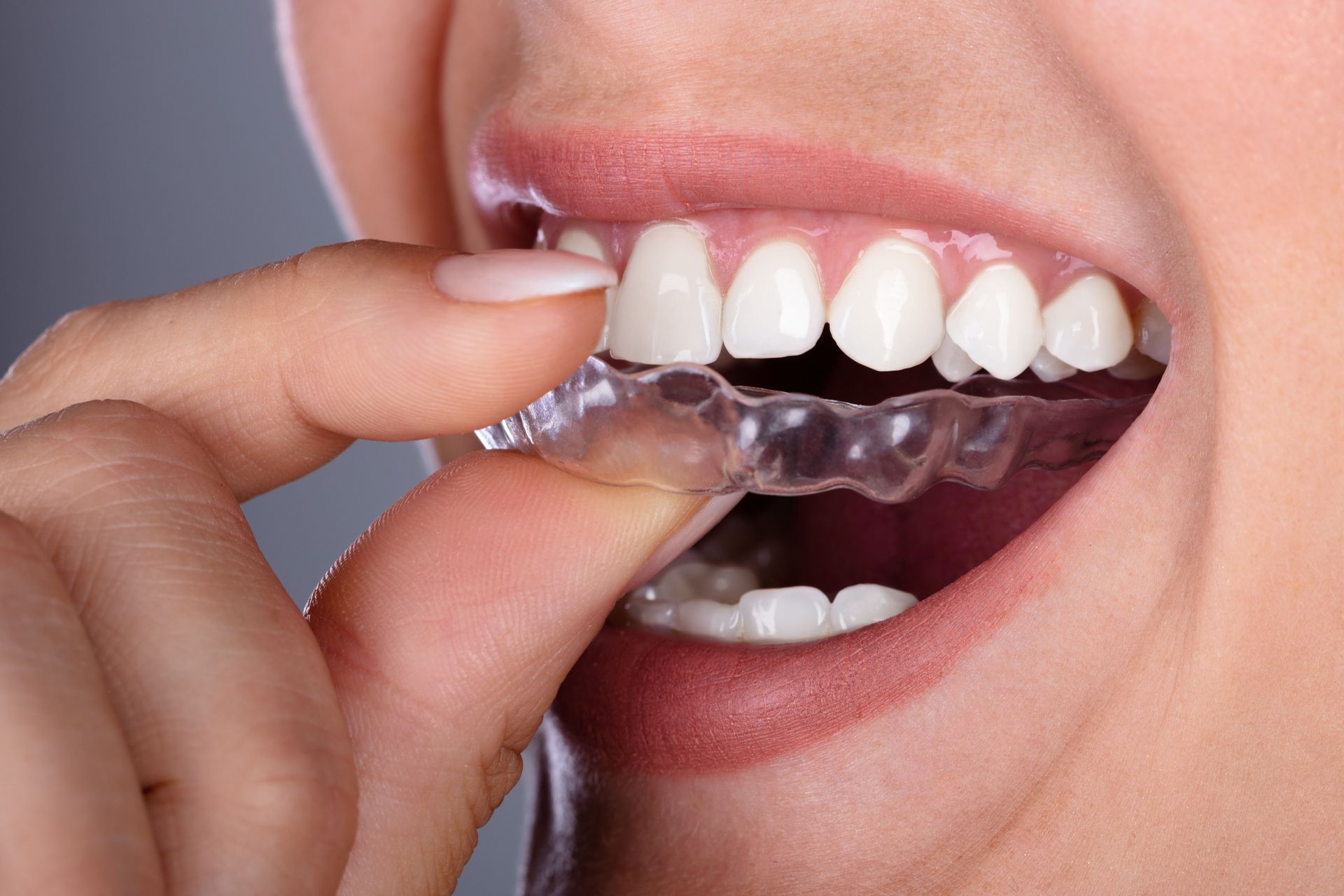
Clear aligners offer another option for eligible patients seeking a less noticeable appliance. These transparent trays are custom-designed to guide teeth into improved positions through planned movements.
According to Consumer Affairs, unlike traditional braces, clear aligners are removable—designed to be worn 20 to 22 hours daily and taken out for eating, brushing, and flossing.
Although this flexibility appeals to many patients, successful aligner treatment requires consistent wear. Braces and aligners differ in their suitability for complex movements, making professional recommendations essential.
Examining Digital Imaging and Treatment Planning
Modern imaging technology allows orthodontists to examine tooth positions, jaw relationships, and structural concerns in greater detail.
Digital scans help create accurate models of a patient's teeth without relying exclusively on traditional impressions. Additional imaging may provide information about tooth roots, jaw development, and underlying structures.
These diagnostic tools support personalized orthodontic services by helping specialists evaluate treatment possibilities and monitor changes throughout care.
Technology improves planning capabilities, but clinical experience remains essential when interpreting findings and recommending treatment.
Considering Specialized Orthodontic Appliances
Some patients may benefit from appliances beyond conventional braces or clear aligners. Options include self-ligating braces, lingual braces, or specialized devices, depending on the orthodontist's assessment.
Self-ligating braces use built-in mechanisms to secure archwires instead of traditional elastic ties. Lingual braces attach to the inner surfaces of teeth, making them less visible.
Each option has considerations involving comfort, maintenance, cost, and treatment suitability.
Patients should discuss which approach can address their alignment concerns rather than choosing based solely on appearance.
Addressing Complex Orthodontic Conditions
Developing Individualized Treatment Plans
No two patients have identical dental structures, treatment goals, or orthodontic needs. Successful care begins with understanding tooth positioning, jaw development, and oral health.
An orthodontist evaluates these factors before recommending treatment. The plan may consider misalignment severity, expected tooth movements, patient preferences, and anticipated treatment duration.
At Winning Smiles Orthodontics, we help patients understand their options and what each treatment involves.
Comprehensive orthodontic services provide a structured path toward improving alignment while accounting for individual circumstances.
Managing Severe Jaw Discrepancies
Some complex bite problems involve significant differences in jaw size or positioning. Braces or aligners alone may not fully address underlying skeletal concerns.
For selected patients, corrective jaw surgery may be considered alongside orthodontic treatment. This requires coordination between an orthodontist and an oral and maxillofacial surgeon.
Surgery is not necessary for most orthodontic patients. Specialists evaluate its benefits, limitations, and risks before recommending it.
A thorough diagnosis helps patients understand whether conventional treatment or a more comprehensive approach is appropriate.
Coordinating Care With Dental Specialists
Complex orthodontic cases sometimes require collaboration among dental professionals. General dentists, oral surgeons, periodontists, and restorative specialists may contribute expertise when additional oral health concerns are present.
For example, a patient with missing teeth may need coordinated planning before receiving dental implants. Someone with periodontal concerns may require gum treatment before certain orthodontic movements begin.
This collaborative approach ensures that treatment decisions account for broader dental health rather than focusing exclusively on tooth alignment.
Supporting Patients Throughout Orthodontic Treatment
Preparing for Treatment Appointments
Beginning orthodontic treatment involves understanding the recommended appliance, appointment schedule, and responsibilities associated with care.
During consultations, patients can discuss concerns, ask questions, and review treatment options.
For patients receiving braces, periodic adjustments help maintain appropriate forces as teeth move. Clear aligner patients follow a planned sequence of trays, with professional evaluations to assess progress.
Our orthodontic services emphasize communication so patients know what to expect throughout treatment.
Maintaining Comfort and Oral Hygiene
Temporary tenderness is common after braces adjustments or when transitioning to new aligners. Patients should follow their orthodontist's recommendations for managing discomfort and contact the office if symptoms become severe or persistent.
Good oral hygiene remains important throughout treatment. Brackets and wires create additional areas where food particles and plaque accumulate, while aligners require appropriate cleaning and storage.
Patients should continue routine dental examinations and professional cleanings during orthodontic care.
Following personalized instructions helps protect oral health while allowing the orthodontist to manage tooth movement safely.
Monitoring Progress and Making Adjustments
Orthodontic treatment requires ongoing supervision because teeth respond differently to applied forces. Regular appointments allow specialists to evaluate movement, identify concerns, and determine whether modifications are necessary.
Treatment timelines may change based on biological responses, appliance wear, or the complexity of the original condition.
At Winning Smiles Orthodontics, we believe patients benefit from understanding that successful treatment requires cooperation and professional monitoring.
Consistent attendance helps keep care aligned with treatment goals.
Maintaining Results After Orthodontic Treatment
Understanding the Importance of Retainers
Completing active orthodontic treatment is an important milestone, but maintaining results requires continued attention.
Teeth can shift over time, even after successful correction. Retainers help preserve their improved positions and reduce unwanted movement.
Depending on individual needs, orthodontists may recommend removable or fixed retainers. Patients receive instructions regarding wear schedules, cleaning, and replacement.
Following these recommendations protects the results achieved during treatment.
Scheduling Long-Term Follow-Up Care
Periodic evaluations help identify changes in tooth alignment or concerns involving retainers. Patients should maintain regular visits with their general dentist for preventive care.
Long-term stability depends on natural aging, dental changes, and adherence to retention recommendations.
Patients who notice shifting teeth or problems with their retainers should contact their orthodontist rather than attempting adjustments themselves.
Professional orthodontic services provide guidance on maintaining alignment and addressing changes after treatment.
Protecting Your Investment in a Healthy Smile
Orthodontic treatment represents an investment in dental function, appearance, and confidence. Maintaining improvements involves following professional guidance and monitoring oral health changes.
At Winning Smiles Orthodontics, we recognize that choosing treatment involves decisions about comfort, appearance, and long-term results. We help patients navigate those decisions with clear information and individualized attention.
Whether you are concerned about crowded teeth, an uneven bite, or complex alignment problems, our orthodontic services can help you explore appropriate treatment options.
Contact Winning Smiles Orthodontics to schedule a consultation and learn how professional orthodontic care can support a healthier, more confident smile.