October 16, 2026
A straighter smile begins with a treatment plan that reflects more than the appearance of someone's teeth. Every patient has different alignment concerns, oral health needs, and expectations for their results. Local orthodontists consider these differences when developing personalized treatment plans that support healthier bites, improved alignment, and long-term dental function.
Orthodontic treatment has also become more accessible through different dental providers. According to ConsumerAffairs, a recent survey found that 52% of general dentists provide orthodontic treatment, including 45% who use clear aligners and 19% who offer traditional braces. These findings highlight the variety of treatment options available to patients. However, choosing an appropriate approach still requires careful evaluation. Here is how personalized orthodontic planning addresses each patient's individual needs.
Evaluating Each Patient's Alignment Needs
Examining Current Tooth Positions
Every smile has a unique arrangement of teeth. Some patients experience crowding, while others have noticeable spacing or teeth that have shifted over time. Local orthodontists examine these differences to understand which areas require attention. This evaluation establishes a starting point for creating a treatment plan that addresses the patient's specific alignment concerns.
Examining Bite Relationships
Tooth alignment involves more than creating an attractive smile. The way upper and lower teeth meet can influence chewing comfort and overall dental function. Orthodontic evaluations consider bite relationships, including overbites, underbites, and crossbites, when determining appropriate treatment goals.
Examining Jaw Development
For younger patients, jaw growth can influence orthodontic planning. Developing teeth and changing facial structures may create different treatment considerations than those associated with adult patients. Evaluating growth patterns helps determine whether treatment timing should account for ongoing development.
Examining Oral Health Conditions
Gum health, existing dental restorations, and other oral conditions can influence treatment decisions. A personalized evaluation considers these factors alongside alignment concerns. This broader perspective helps establish realistic goals that support the patient's overall dental health.
Designing Treatment Around Individual Goals
Considering Cosmetic Preferences
Patients often seek orthodontic treatment because they want greater confidence in their smiles. Some hope to correct visible spacing, while others want to address crooked or overlapping teeth. Local orthodontists discuss these preferences while evaluating which improvements are clinically appropriate and achievable.
Considering Functional Improvements
Orthodontic care can also address concerns involving how teeth fit together. Improving alignment may help create a more balanced bite and make certain areas easier to clean. Treatment goals should reflect both appearance and function rather than emphasizing cosmetic changes alone.
Considering Lifestyle Requirements
Daily routines can influence treatment preferences. Patients may have questions about eating, speaking, professional responsibilities, or participating in recreational activities while wearing orthodontic appliances. Discussing these considerations helps identify options that fit comfortably into everyday life.
Considering Long-Term Expectations
Personalized planning includes discussing what patients hope to maintain after active treatment ends. Alignment changes require ongoing retention to help preserve results. Establishing realistic expectations early allows patients to understand the long-term commitment associated with orthodontic care.
Selecting Appliances for Personalized Treatment
Comparing Traditional Braces
Traditional braces remain an established option for correcting many alignment and bite concerns. Brackets and wires apply controlled forces that gradually reposition teeth. Local orthodontists may recommend braces when the nature of the required tooth movements makes fixed appliances particularly appropriate.
Comparing Clear Aligners
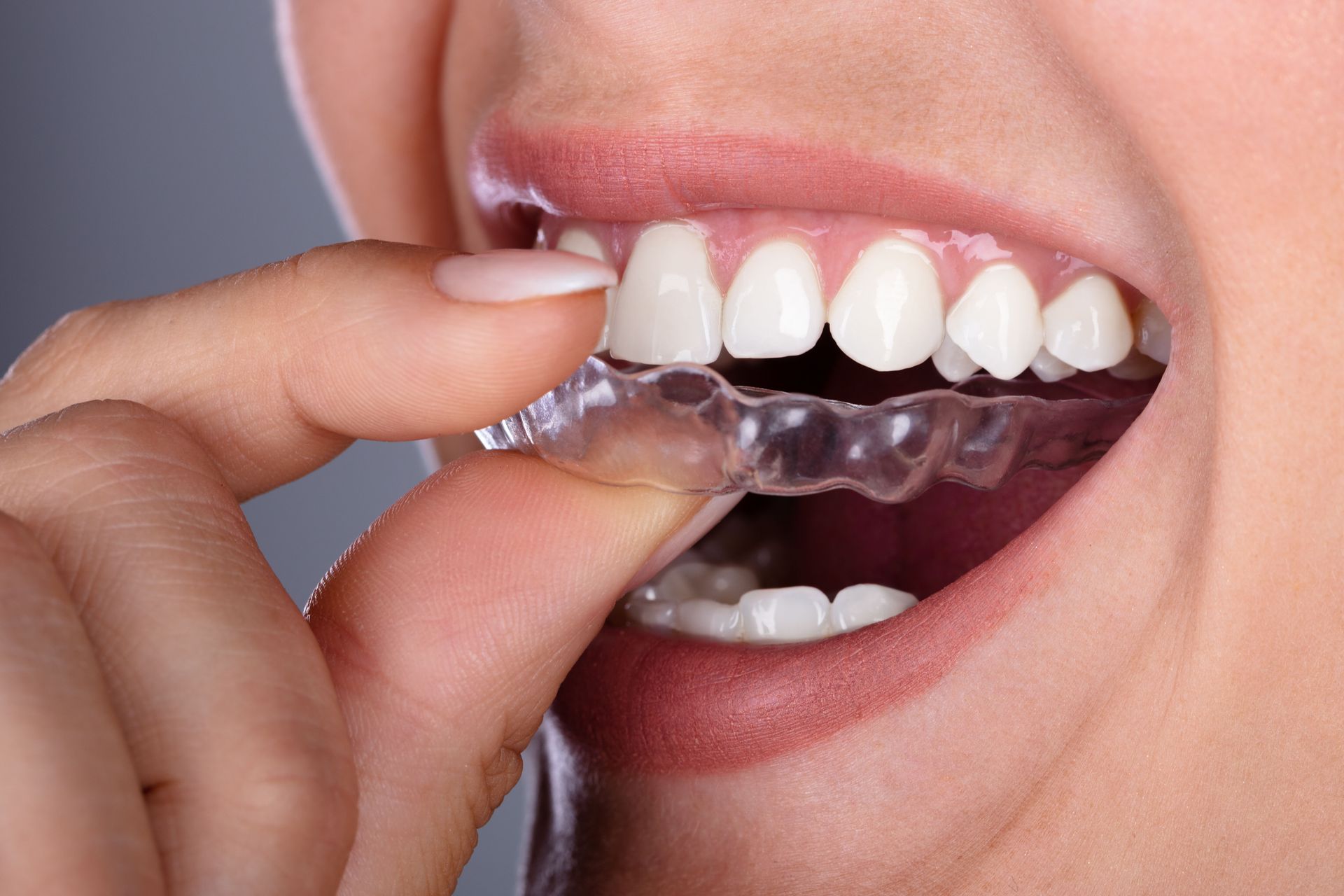
Clear aligners offer a removable alternative for suitable patients. These appliances use a planned series of trays to guide tooth movement. Their appearance and removability appeal to many individuals, although successful treatment depends on consistent wear and whether the system can address the patient's particular needs.
Comparing Treatment Limitations
Not every orthodontic appliance is appropriate for every alignment concern. The complexity of tooth movement, bite relationships, and other clinical considerations influence recommendations. A personalized approach evaluates these limitations before determining which treatment method offers an appropriate path toward the desired results.
Comparing Patient Responsibilities
Different appliances involve different daily responsibilities. Fixed braces require attention to cleaning around brackets and wires, while removable aligners depend heavily on consistent wear. Understanding these differences helps patients participate in selecting an option they can manage throughout treatment.
Planning Treatment Around Patient Development
Assessing Children's Growth
Children may benefit from orthodontic evaluations while their teeth and jaws are still developing. Local orthodontists can assess emerging alignment concerns and determine whether observation or earlier intervention is appropriate. An evaluation does not automatically mean that treatment needs to begin immediately.
Assessing Teenagers' Needs
Adolescence is a common period for orthodontic treatment because many permanent teeth have erupted. Teenagers may also have particular concerns about appearance, school activities, and appliance maintenance. Personalized planning considers these priorities alongside clinical requirements.
Assessing Adults' Concerns
Adults pursue orthodontic treatment for various reasons, including longstanding crowding, shifting teeth, and bite concerns. Existing restorations, periodontal health, and previous dental treatment may influence their options. A detailed evaluation helps determine an approach suited to their current oral health.
Assessing Treatment Timing
The appropriate time to begin orthodontic care depends on individual circumstances. Growth patterns, tooth development, oral health, and treatment objectives can all affect scheduling. Personalized planning avoids assuming that patients of similar ages require identical treatment timelines.
Monitoring Progress Throughout Alignment Treatment
Reviewing Tooth Movement
Orthodontic treatment involves gradual changes that require professional monitoring. Local orthodontists evaluate how teeth respond to the prescribed appliances during scheduled appointments. These observations help determine whether movement is progressing as anticipated and whether the original plan remains appropriate.
Reviewing Appliance Performance
Braces, aligners, and other orthodontic appliances must function properly to support planned tooth movement. Follow-up visits provide opportunities to assess their condition and address concerns that may affect treatment. This attention helps maintain continuity throughout the alignment process.
Reviewing Patient Comfort
Patients may experience temporary pressure or discomfort as teeth move. Professional monitoring allows individuals to discuss these experiences and ask questions about changes they notice. Open communication helps distinguish expected sensations from concerns that warrant additional evaluation.
Reviewing Treatment Adjustments
Teeth do not always move exactly as predicted. Depending on progress, an orthodontic plan may require adjustments to appliances, scheduling, or treatment objectives. Regular evaluations allow these decisions to reflect the patient's actual response rather than relying exclusively on initial projections.
Maintaining Results Through Personalized Retention
Establishing Retention Requirements
Completing active orthodontic treatment represents an important milestone, but maintaining alignment requires continued attention. Local orthodontists develop retention recommendations based on the patient's treatment history and individual circumstances. Retainers help reduce unwanted tooth movement.
Establishing Daily Habits
Successful retention depends on following professional instructions. Patients may receive recommendations regarding retainer wear, cleaning, and storage. Consistent habits help protect the time and effort invested in achieving improved alignment.
Establishing Follow-Up Expectations
Periodic follow-up appointments may help identify changes in tooth position or concerns involving retainers. These evaluations provide opportunities to discuss ongoing maintenance and determine whether additional attention is necessary to preserve treatment results.
Establishing Long-Term Confidence
Personalized retention planning supports more than appearance. Maintaining improved alignment can help patients continue enjoying the functional and cosmetic benefits of their treatment. Understanding long-term responsibilities also encourages realistic expectations about preserving a healthier smile.
Personalized orthodontic treatment recognizes that no two smiles require exactly the same approach. From evaluating alignment and bite relationships to selecting appliances, monitoring progress, and planning retention, local orthodontists develop care around individual needs and goals. Professional guidance helps patients understand their options and make informed decisions throughout treatment.
At Winning Smiles Orthodontics, our team takes a personalized approach to helping patients achieve healthier, more confident smiles. Contact us today to schedule an orthodontic consultation and discover how an individualized alignment treatment plan can support your smile goals.