September 10, 2026
Deciding to pursue a straighter, healthier smile is exciting, but it's normal to have questions about the process—especially about how long it will take. Braces have helped generations of patients achieve confident smiles, yet the exact timeline can feel like a bit of a mystery until you sit down with a professional and get real answers. Understanding what influences treatment length can help you set realistic expectations and feel more prepared for the road ahead. This post breaks down the factors that shape braces duration, what happens at each stage of treatment, and why partnering with experienced orthodontic services makes all the difference in achieving a smile you'll love.
Understanding How Orthodontic Services Determine Treatment Length
One of the most common questions patients ask when exploring orthodontic services is simply, "How long will this take?" The honest answer is that it depends. Every mouth is different, and the severity of misalignment, the type of bite issue, and even a patient's age can all play a role in how long braces need to stay on. According to the American Association of Orthodontists, the length of time someone wears braces typically falls somewhere between one and two years, though the exact number varies from person to person. This wide range exists because orthodontic treatment isn't a one-size-fits-all process. A patient with mild crowding may see results faster than someone correcting a significant overbite or jaw misalignment. This is precisely why an initial evaluation matters so much—it allows trained professionals to assess your unique dental structure and provide a timeline based on your specific needs rather than a generic estimate.
Factors That Influence How Long Braces Take to Work
Several variables affect how long a patient will need to wear braces, and understanding them can help set realistic expectations. Age is one factor, as younger patients often have more responsive bone and tissue, which can sometimes speed up tooth movement. The complexity of the case matters too. Simple spacing issues tend to resolve more quickly than complicated bite corrections involving overbites, underbites, or crossbites. Patient compliance also plays a significant role. Wearing rubber bands as directed, avoiding foods that could damage brackets, and attending scheduled adjustments all contribute to staying on track. Oral hygiene habits matter as well, since untreated dental issues can sometimes delay progress. This is where the value of experienced orthodontic services truly shines. A knowledgeable team can identify potential complications early and adjust the treatment plan proactively, rather than letting small issues snowball into bigger delays.
Comparing Traditional Braces and Modern Alignment Options
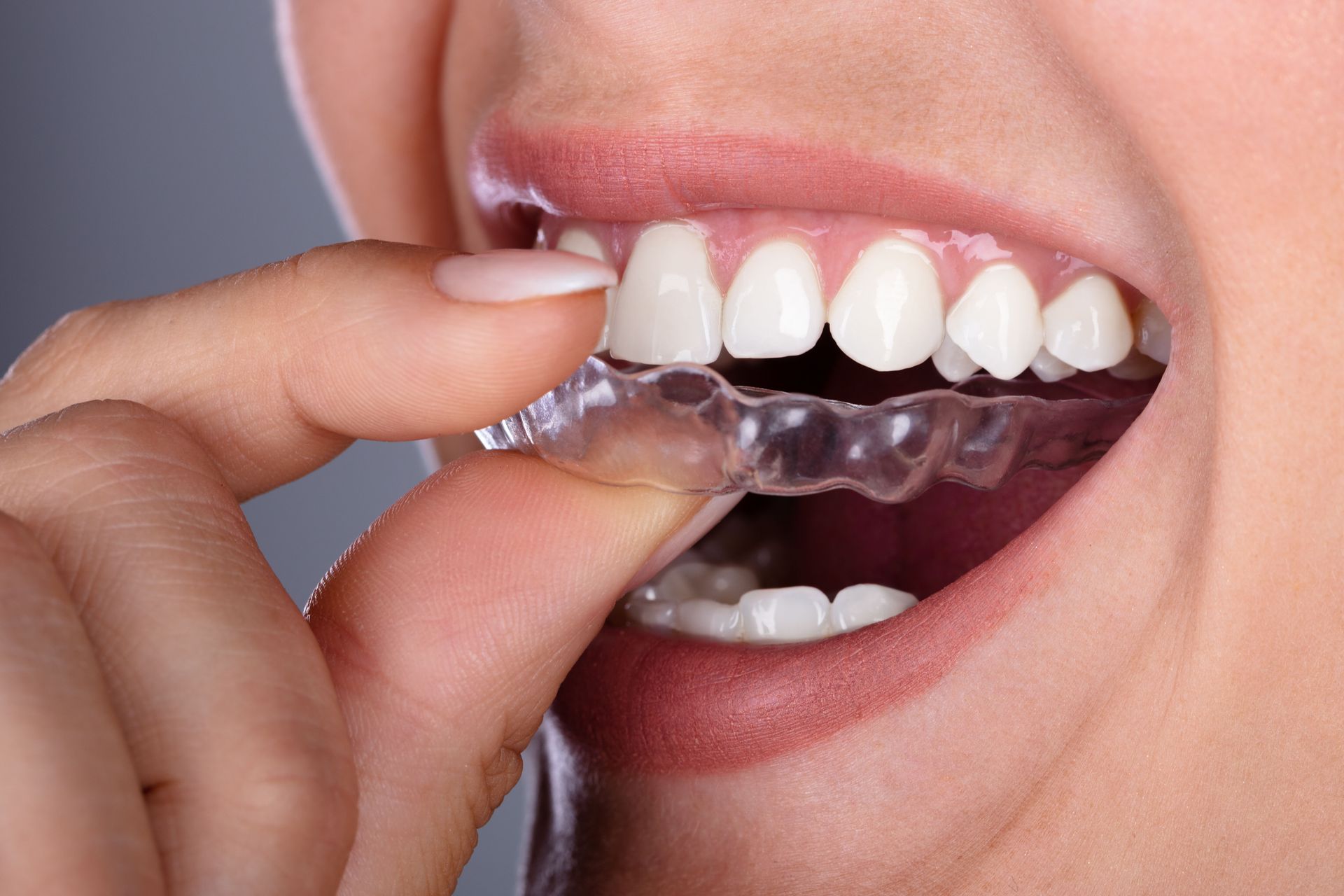
When people think of braces, metal brackets and wires often come to mind first, but today's patients have more choices than ever. Traditional metal braces remain a reliable, effective option for many bite and alignment concerns, particularly for more complex cases. For patients seeking a less noticeable option, ceramic braces offer similar functionality with a more discreet appearance. Clear aligner systems have also become increasingly popular for patients who want a removable, low-profile way to straighten their teeth. Each option comes with its own considerations regarding comfort, maintenance, and treatment timeline. Choosing between these options isn't something patients should navigate alone. Skilled orthodontic services can walk you through the pros and cons of each system based on your bite, your lifestyle, and your goals, helping you choose the path that best fits your needs rather than guessing which option might work.
Recognizing the Stages of a Typical Treatment Journey
Braces treatment generally unfolds in phases, and knowing what to expect at each stage can ease a lot of uncertainty. It typically begins with a consultation, where a professional evaluates your teeth, discusses concerns, and may take X-rays or records to build a treatment plan. Next comes the placement of braces or aligners, followed by a period of regular adjustments, usually every four to eight weeks, during which the orthodontist tightens wires, swaps aligner trays, or evaluates progress. As treatment nears its end, teeth are fine-tuned into their final positions. Finally, patients transition into the retention phase, where a retainer helps maintain results long after braces come off. Each of these stages requires careful monitoring, which is one of the biggest reasons patients are encouraged to stick with the same trusted orthodontic services throughout treatment rather than switching providers midway. Consistency allows for accurate tracking of progress and timely adjustments.
Addressing Common Concerns About Braces Duration
It's natural for patients to worry about their treatment taking longer than expected, and there are a few common reasons this can happen. Missed appointments can throw off the adjustment schedule, since each visit is timed to keep momentum going. Broken brackets or lost aligners can also cause setbacks if not addressed quickly. Additionally, some patients discover mid-treatment that their bite requires more correction than initially anticipated, which can extend the plan. The good news is that most of these issues are manageable with prompt communication and professional guidance. Reliable orthodontic services build flexibility into their scheduling specifically to handle situations like broken brackets or unexpected complications, minimizing the impact on the overall timeline. Patients who stay engaged, ask questions, and follow their orthodontist's instructions tend to have the smoothest experience with the fewest surprises.
Supporting Faster Results Through Consistent Orthodontic Care
While much of the treatment timeline depends on professional planning, patients play an active role in how efficiently their treatment progresses. Wearing elastics exactly as instructed helps bite corrections happen on schedule instead of dragging out. Practicing good oral hygiene prevents cavities or gum issues that could otherwise interrupt treatment. Being mindful of hard, sticky, or crunchy foods reduces the risk of broken brackets that require unplanned repair visits. Attending every scheduled appointment, rather than rescheduling, keeps the treatment plan moving as intended. These habits work best when paired with regular checkups from qualified orthodontic services, since professionals can catch small issues, like a loose bracket or a wire poking the cheek, before they become bigger setbacks. Ultimately, braces duration is a partnership between the patient's daily habits and the orthodontist's expertise, and both pieces matter for a smooth, efficient outcome.
Recognizing Why Professional Guidance Matters Most
With so much information available online, it might be tempting to guess at your own treatment timeline or compare notes with a friend who had braces years ago. However, no two smiles are alike, and self-diagnosing based on someone else's experience can lead to unrealistic expectations. Trained orthodontists rely on X-rays, models, and years of clinical experience to build a treatment plan tailored specifically to your bite and facial structure. They also have the training to recognize subtle issues that could affect timing, such as impacted teeth or jaw growth patterns, long before they become noticeable problems. This is exactly why working with established, professional orthodontic services is so important. A qualified team doesn't just install brackets and wires; they monitor progress, adjust the plan as needed, and ensure that treatment stays on track from the first appointment to the final retainer fitting.
Braces duration isn't a fixed number, it's a personalized journey shaped by your specific dental needs, the complexity of your case, and how closely you follow your orthodontist's guidance along the way. While general timelines offer a helpful starting point, only a trained professional can give you an accurate picture of what your treatment will look like. From your first consultation through the final retainer check, having a skilled team by your side makes the process smoother, more predictable, and ultimately more successful. If you're ready to learn more about your own treatment timeline, we invite you to schedule a consultation with us at Winning Smiles Orthodontics. Our experienced team is here to answer your questions, build a personalized plan, and help you feel confident every step of the way toward your best smile yet.