August 11, 2026
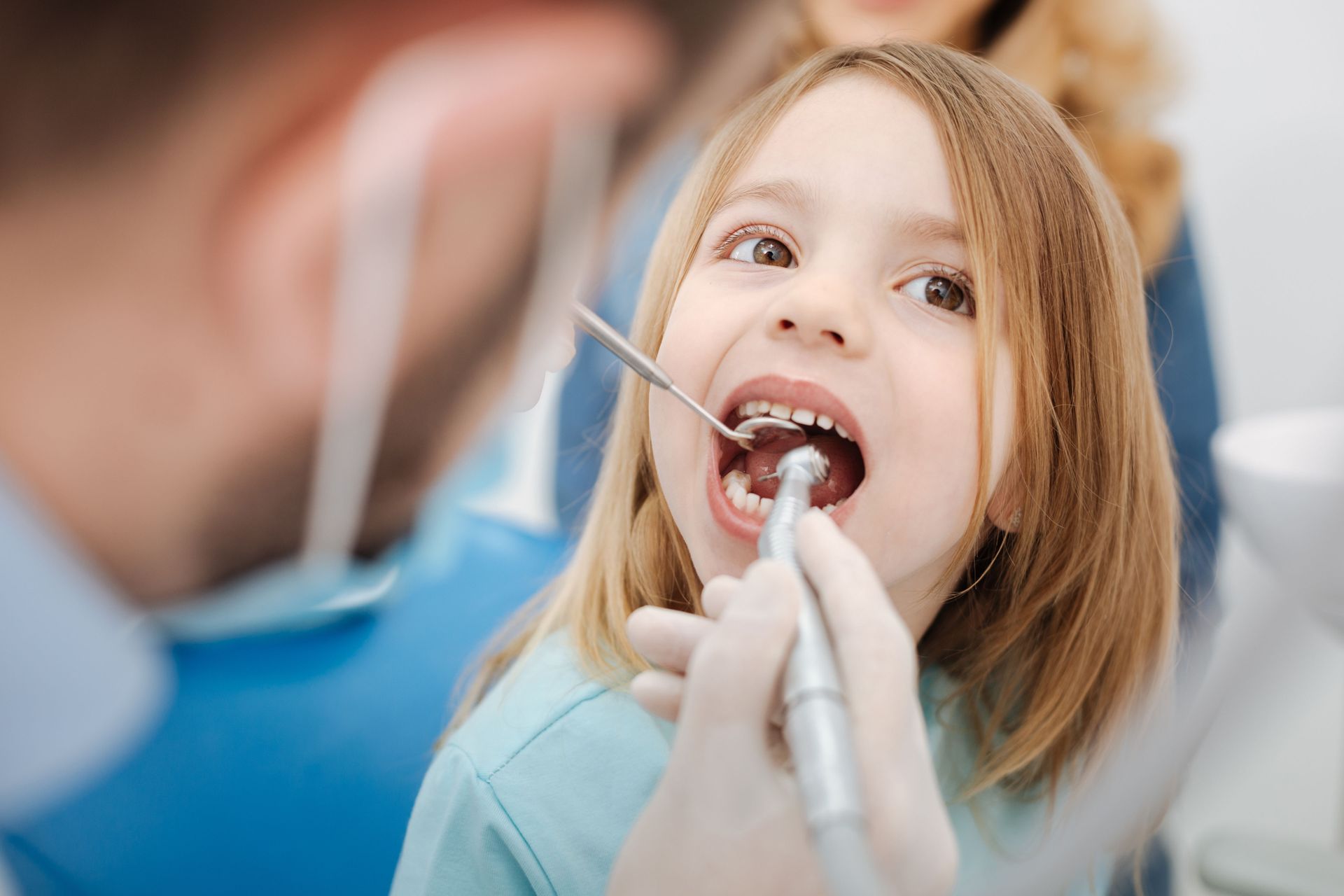
A child’s first orthodontic visit can feel like a major milestone for a family. Parents may wonder whether the timing is right, what the provider will examine, or whether an evaluation automatically means treatment will begin. Understanding the purpose of an early assessment can make the experience less uncertain. Orthodontists evaluate how the teeth, jaws, and facial structures are developing, with attention to both current concerns and changes that may occur as a child grows.
An evaluation is not simply about whether teeth look straight. Bite relationships, jaw development, spacing, crowding, and the way permanent teeth are emerging can all influence oral function and future alignment. Some developmental patterns are easy for parents to notice, while others require professional assessment. Learning what the visit is designed to accomplish helps families approach it as an opportunity to gather useful information rather than as an automatic commitment to braces or another appliance.
Parents can also help by giving their child a calm, straightforward idea of what to expect. Presenting the appointment as a normal part of caring for the teeth can reduce unnecessary worry. Children often respond well when they know the provider is there to look at how their smile is growing and answer questions.
Understanding the Timing of an Orthodontic Evaluation
Many parents assume that an orthodontic evaluation should wait until all permanent teeth have emerged. However, certain developmental concerns can become apparent much earlier. According to the American Association of Orthodontists, children are recommended to receive their first orthodontic evaluation around age 7. This timing allows a provider to observe dental and jaw development while a child is still growing.
Early evaluation does not necessarily mean early treatment. In many cases, orthodontists may determine that no immediate intervention is necessary and recommend monitoring development over time. This observation period can provide valuable information about how permanent teeth are emerging and how the bite is changing. If treatment eventually becomes appropriate, the provider may have a clearer picture of the child’s developmental pattern.
Timing can also vary based on individual circumstances. A dentist may notice a bite concern, unusual eruption pattern, crowding, or another issue and recommend an evaluation. Parents might also seek an assessment after observing difficulty biting, prominent teeth, significant spacing, or changes in jaw alignment. The purpose is to understand the situation and determine whether monitoring or treatment should be considered.
Recognizing the Goals of an Orthodontic Evaluation
The first visit is designed to build a comprehensive picture of a child’s developing smile. Orthodontists consider more than the position of individual teeth. They assess how the upper and lower jaws relate to each other, whether there is enough room for emerging teeth, and whether the bite functions in a balanced way. These observations can reveal concerns that are not obvious from appearance alone.
Another important goal is to distinguish between normal developmental changes and patterns that may require attention. Children lose primary teeth and gain permanent teeth over an extended period, so temporary spaces or uneven alignment do not always indicate a problem. Professional evaluation can help parents understand which changes are expected and which ones deserve continued observation.
The appointment also gives families a chance to discuss concerns. Parents can describe anything they have noticed about chewing, tooth position, jaw movement, or changes in the child’s smile. A clear conversation helps the provider understand the family’s perspective while allowing parents to receive information that is specific to their child rather than relying on general assumptions.
Knowing What May Be Evaluated During the Visit
An orthodontic assessment commonly focuses on the relationship among the teeth, bite, jaws, and facial growth. The provider may look for crowding, excessive spacing, teeth that are not emerging as expected, or bite relationships that could affect function. The evaluation may also consider whether the upper and lower dental arches are developing in a compatible way.
Depending on the child’s needs, orthodontists may use diagnostic information to gain a more complete understanding of structures that cannot be fully assessed through a visual examination alone. The specific records used can vary based on the situation. Parents can ask why particular information is recommended and how it contributes to evaluating development or planning future care.
Understanding the Difference Between Evaluation and Treatment
One of the most useful distinctions for parents is the difference between identifying a concern and deciding to treat it. An evaluation provides information. Treatment is a separate decision based on the nature of the concern, the child’s stage of development, expected growth, and the potential benefits of intervening at a particular time.
Some children may benefit from care while growth is still occurring, while others are better served by waiting. Orthodontists can explain why a condition should be monitored, why treatment may be recommended, or why delaying intervention makes sense. This individualized approach is important because children do not all develop at the same pace.
Preparing Questions for the Orthodontic Conversation
Parents often get more value from an appointment when they arrive ready to discuss their concerns. Questions can focus on what the provider sees, whether development appears typical, and whether any areas need monitoring. Families may also want to understand how a particular bite or alignment issue could change as the child grows.
When orthodontists recommend treatment, parents can ask about the purpose of the proposed care and what outcome it is intended to support. It is also reasonable to discuss timing, expected responsibilities, comfort considerations, and how orthodontic care will interact with routine dental care. Clear explanations can help parents make decisions based on their child’s circumstances rather than on comparisons with classmates or siblings.
Supporting Your Child’s Oral Health During Orthodontic Care
Orthodontic evaluation and routine dental care serve different but complementary purposes. A child should continue receiving appropriate preventive and restorative dental care even when seeing an orthodontic provider. General dental visits address areas such as tooth and gum health, while orthodontic visits focus more specifically on alignment, bite, and developing jaw relationships.
If treatment begins, oral hygiene becomes especially important because appliances can create additional areas where food debris and plaque collect. Parents should follow the guidance provided by the child’s dental and orthodontic professionals regarding cleaning, diet, and appointment schedules. Rather than treating these providers as separate parts of care, families can view them as contributors to the child’s broader oral health.
Considering Your Child’s Comfort and Readiness
Clinical needs are central to orthodontic decisions, but a child’s comfort and ability to participate also matter. Some children are curious about appointments, while others may feel nervous about unfamiliar equipment or examinations. Parents can support a more positive experience by using simple, neutral language and avoiding descriptions that may create fear before the visit.
The relationship with the care team can make a meaningful difference. Families may appreciate orthodontists who communicate directly with children in age-appropriate language while also giving parents enough detail to make informed decisions. A child who feels respected and understands what is happening may be more comfortable asking questions or expressing concerns.
Making Informed Decisions About Your Child’s Orthodontic Care
Bringing a child for an orthodontic evaluation is ultimately about understanding development and identifying whether any concerns require attention. Parents do not need to arrive with a diagnosis or a predetermined treatment plan. The evaluation is an opportunity to learn how the teeth and jaws are developing, ask questions, and understand what may be appropriate now or later.
Choosing among orthodontists should involve more than convenience alone. Families can consider communication, clarity of recommendations, the way the team interacts with children, and whether they feel adequately informed about proposed care. A provider should be able to explain the reasoning behind monitoring or treatment in terms that parents can understand.
At Winning Smiles Orthodontics, we work with families to evaluate developing smiles, explain our findings, and help parents understand their options. Contact us to schedule an evaluation and learn more about how we can support your child’s orthodontic needs.